
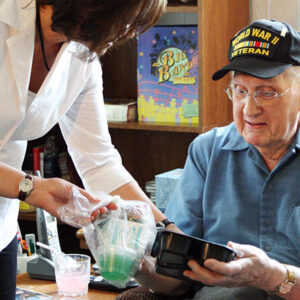
 If you ask most people what Meals on Wheels does, they’ll say, “They deliver meals to older folks at home.” That’s true—but it’s only part of the story.
For many people age 60 and older, Meals on Wheels is a lifeline that goes well beyond the food itself. It’s about staying connected, being seen, and knowing someone will notice if something seems off. The meal is the reason for the visit, but the real impact often comes from the friendly face at the door.
Many recipients live alone or with a spouse who may also have health challenges. Getting out to the grocery store, let alone cooking balanced meals, can be difficult. A daily meal delivery means there is at least one time that day when someone checks in, offers a smile, and calls the recipient by name. That kind of ordinary, everyday contact can make a big difference in how safe and supported people feel at home.
The volunteers who deliver meals are not inspectors. They are neighbors—people who give an hour or two each week to deliver meals and a bit of conversation. They are trained to notice simple things: Is the person answering the door? Do they look okay? Is something clearly out of the ordinary? Most days, everything is fine. But once in a while, a careful eye and a quick phone call can prevent a small concern from becoming a serious emergency.
Consider this situation from last year.
Mr. Green*, a 78-year-old widower, has received Meals on Wheels for the past two years. He enjoys the food, but what he looks forward to most is the short visit with Linda, a volunteer driver who delivers his lunch twice a week.
Linda and Mr. Green developed the kind of easy, familiar chat that grows from seeing someone regularly. Susan expected him to open the door right away, joke about the weather, and ask if she’d read any good books lately. Their visits usually lasted just a few minutes, but they were a bright spot in his day.
One day, when Linda arrived at Mr. Green’s house, things were different. The shades were still drawn, and it took longer than usual for him to come to the door. When he did appear, he seemed a bit unsteady and more out of breath than she was used to seeing. He waved off her concern, saying he was just a little tired, but Linda noticed he kept one hand on the doorframe for balance.
Instead of pressing him or making him uncomfortable, Linda finished the brief visit. Once she got back to her car, she called the SeniorCare Nutrition office to share what she’d seen. She didn’t diagnose or alarm him—she simply reported a change in his usual pattern.
The SeniorCare Nutrition Team followed up with a phone call to Mr. Green. During the conversation, he admitted that he had been feeling short of breath for a few days. The SeniorCare staff member suggested Mr. Green reach out to his doctor.
As it turned out, Mr. Green was developing a problem that, if ignored, could have led to a hospital stay. Because someone noticed the change early and made a simple phone call, he got treatment before things became serious. He later told Linda, “You didn’t make a fuss, but you helped me catch this in time.”
Stories like this happen quietly every day. Meals on Wheels is not about watching people or invading privacy. It is about respectful attention—taking a moment to notice if something seems different and making sure the right people know. For many older adults, that combination of a nutritious meal and a quick, friendly check-in provides peace of mind. “If I don’t seem like myself, someone will notice.”
If you, a friend, or a family member are finding it harder to shop and cook, or if you simply feel isolated and could use a regular friendly visit, Meals on Wheels might be a good option. And if you are looking for a meaningful way to volunteer, delivering meals is a powerful way to support your neighbors while building real, human connections—one doorstep at a time. In either case, please reach out to SeniorCare at 978-281-1750 to learn more about Meals on Wheels.
*Mr. Green’s name has been changed to protect his privacy.